Psalm 2: the “Assyrian” hymn

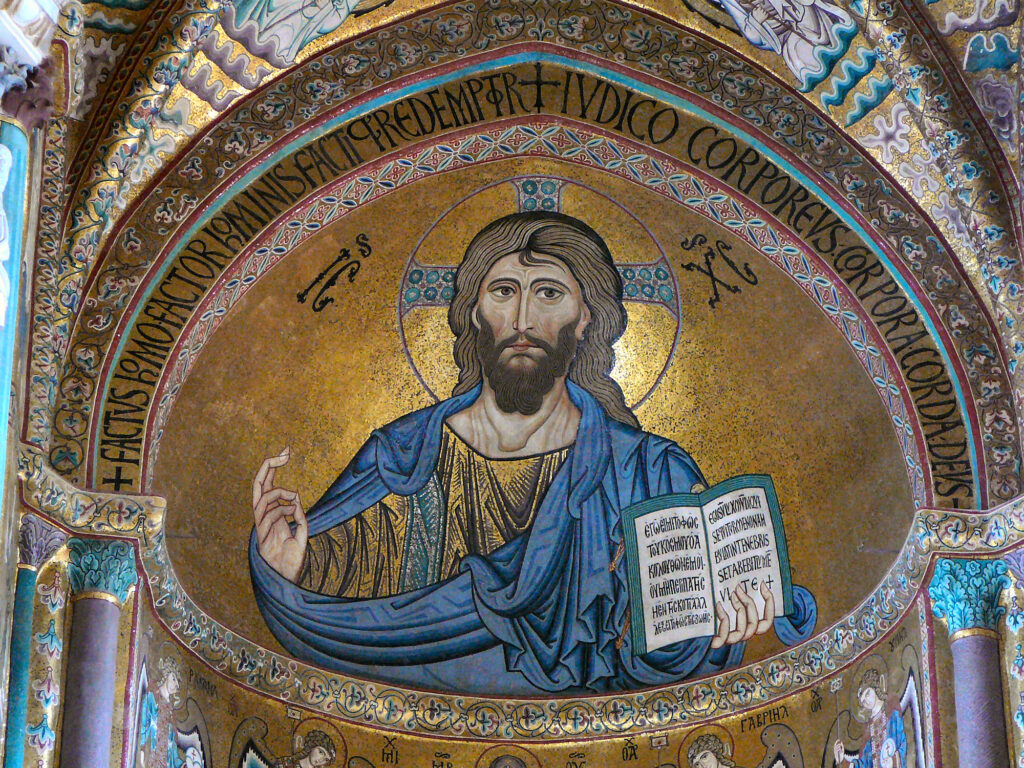
Christ Pantokrator in the apse of the Cathedral of Cefalù, Sicily, Italy. Mosaic in Byzantine style. Gun Powder Ma, CC BY-SA 3.0 https://creativecommons.org/licenses/by-sa/3.0, via Wikimedia Commons

Psalm 2 occupies a peculiar place in Jewish and Christian tradition. It is one of the classic Messianic psalms: in Judaism often read as a prophecy of the coming anointed king, and in Christianity reinterpreted as a vision of Christ’s ultimate victory at the Second Coming. Its language is confident, absolute, and unapologetically violent. Kings are smashed, rebels annihilated, and divine laughter rings out over futile resistance.

That tone sits uneasily with the image of Christ many modern readers prefer: gentle, pacifist, turning the other cheek. Psalm 2 offers no such comfort. It is triumphalist, confrontational, and steeped in the logic of domination. Precisely for that reason, it has often been spiritualized, allegorized, or pushed toward the edges of liturgical attention.

I first became acutely aware of this tension during my university years. I was sitting in the Royal Concertgebouw in Amsterdam, listening to Händel’s Messiah, while at the same time studying the ancient Near East and the ideology of kingship and empire. When the baritone began to sing “Why do the nations so furiously rage together?”, I was supposed to hear biblical prophecy set to magnificent music. Instead, something else leapt out at me immediately.

It sounded oddly Assyrian.

The impression was instant. As the music unfolded, the choir hurling out “Let us break their bonds asunder,” and later the tenor proclaiming “Thou shalt break them with a rod of iron”, I could not shake the feeling that Psalm 2 was not merely religious poetry. It was speaking the language of empire.

In what follows, I want to explain why Psalm 2 sounds so “Assyrian,” line by line, and to suggest — carefully, but deliberately — that it may have been composed as a theological response to Neo-Assyrian royal propaganda.

Continue reading “Psalm 2: the “Assyrian” hymn”
Christmas with Saint Nicholas (AD 325)

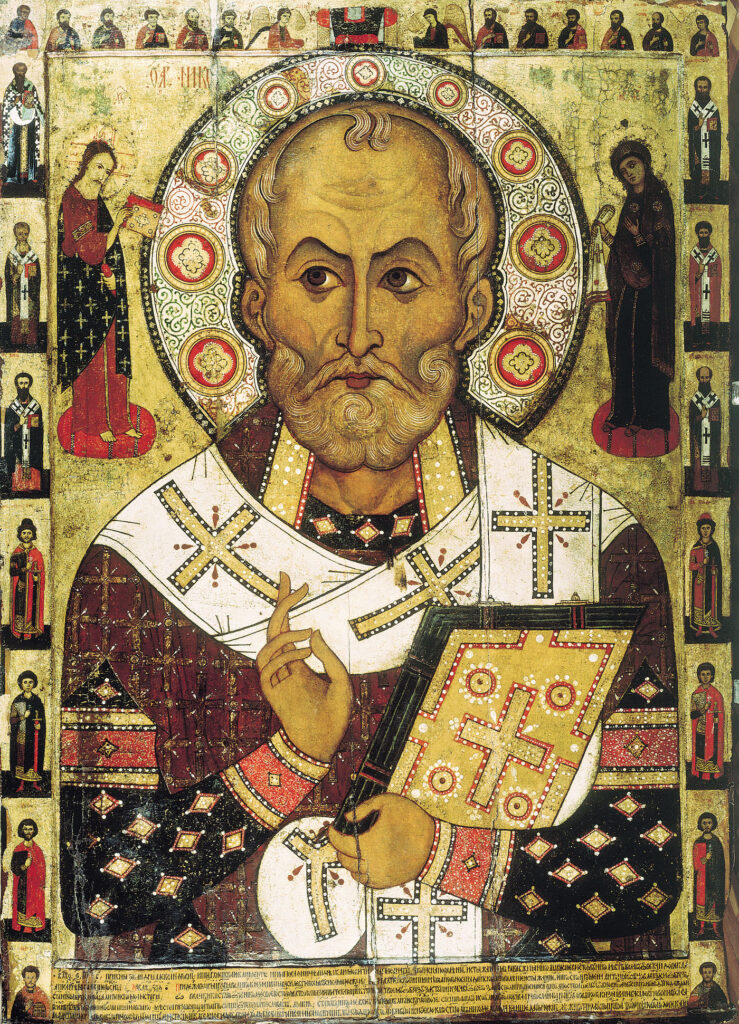
St. Nicholas “Lipensky” (Russian icon from Lipnya Church of St. Nicholas in Novgorod)

If we could step into a time machine and set the date to 24 December, AD 325, we would find ourselves in a world where Christmas existed, but only in a very rudimentary form. There would be no decorated trees, no carols, no nativity scenes, no exchange of gifts. Instead, in the coastal city of Myra (in modern-day Turkey), a small Christian community gathered in a basilica to take part in a modest liturgical service marking the birth of Jesus.

Presiding over that service may well have been Nicholas, bishop of Myra, a historical figure who would later inspire one of the most enduring characters of Western folklore. This imagined Christ’s Mass offers a useful lens through which to explore both early Christian worship and the dramatic transformation Christianity had undergone in the early fourth century.

Continue reading “Christmas with Saint Nicholas (AD 325)”

The Maccabean Revolt: how Judaism was forged in crisis

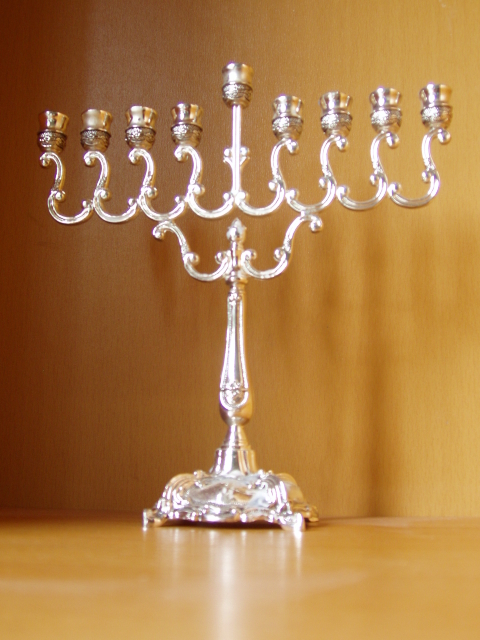
A Hanukkah menorah, by Ladislav Faigl

Every winter, Hanukkah is celebrated as a story of resilience. A small religious community, threatened by persecution, refuses to abandon its faith. An empire tries to suppress Jewish law and worship, a priestly family rises in revolt, the Temple is reclaimed and rededicated. A single day’s worth of lamp oil burns for eight. Light triumphs over darkness.

It is a powerful story, and not an untrue one. But historically speaking, the reality behind the Maccabean Revolt was more complex — and more unsettling — than a simple tale of good versus evil. What unfolded in the 2nd century BCE was not just a clash between Judaism and foreign oppression, but a crisis produced by cultural globalization, internal division, and imperial interference in the very heart of Jewish religious life.

Continue reading “The Maccabean Revolt: how Judaism was forged in crisis”

Meet Bēlšunu

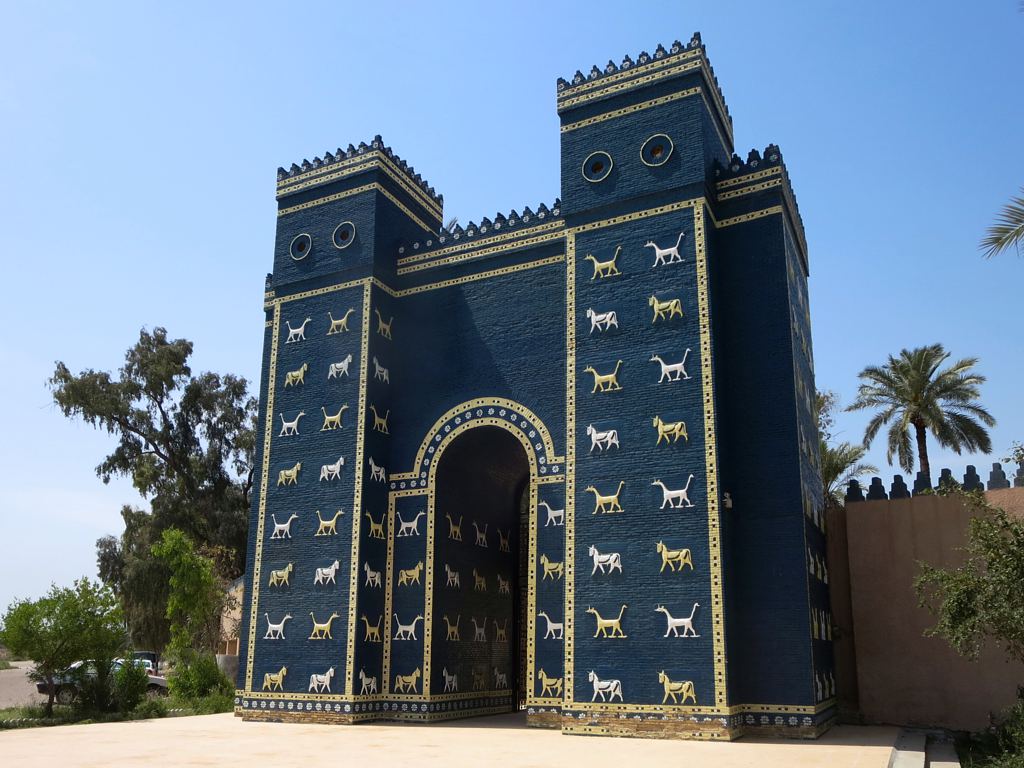
In the early 20th century German archaeologists transported the original Ishtar Gate from Babylon, Iraq, to the Pergamon Museum in Berlin. In the 1980s the Saddam Hussein regime reconstructed this two-thirds size replica at the entrance to the site. David Stanley, CC BY-SA 3.0 https://creativecommons.org/licenses/by-sa/3.0, via Wikimedia Commons

On the evening of 9 November 1989, a mid-ranking East German border officer named Harald Jäger made a decision that changed the world.

Jäger had no authority to open the Berlin border. No one in the East German leadership intended it. But when thousands of citizens pressed against the Bornholmer Straße checkpoint, demanding to cross into West Berlin after a muddled government announcement, he found himself trapped between orders from above and a volatile crowd below. His superiors refused to take responsibility. The situation grew dangerous. And so, under immense psychological pressure, he did the unthinkable: he ordered the gates open.

Historians often explain the fall of the Berlin Wall by pointing to long-term structural forces: economic decline, political paralysis, popular dissatisfaction, the bankruptcy of the state. Yet in the end, the decisive moment came down to one man, at one gate, making one choice. And like all of us, Jäger acted according to his worldview: his sense of authority, safety, duty, human dignity, and the limits of obedience.

Macro-history meets micro-history in moments like this.

Continue reading “Meet Bēlšunu”

A new window onto Hellenistic Babylonia

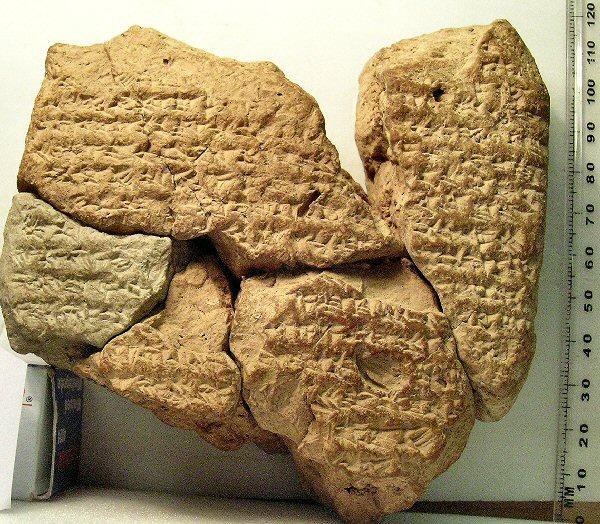
BCHP 6 (Ruin of Esagila Chronicle), Obverse. Source: Livius.org

When I look back on my university days at VU Amsterdam, one of the figures who left a lasting impression on me was my professor Bert van der Spek. Anyone who studied the Ancient Near East under him will recall his unshakable conviction that Hellenistic Babylonia — so often treated as a footnote between Alexander the Great and the Parthian Empire — was an extraordinary period in its own right. As students, we regularly heard about the massive project he was working on: the edition of the Hellenistic chronographic texts from Babylonia, those fragmentary but invaluable cuneiform accounts that offer a uniquely Babylonian view of the Seleucid and early Parthian world.

At the time, however, this enthusiasm did not quite reach me. I was more interested in what I thought of as “real” Mesopotamia: the world of Hammurabi, Ashurbanipal, Nebuchadnezzar II. The world before Hellenism complicated matters, before the “purity” of ancient Mesopotamia was — so I believed — “polluted” with imported Greekness. I was frustrated with classicists who ignored Near East influences of Graeco-Roman civilization, but ironically blind to the richness of the very period that brought these worlds even closer together. It has taken me a decade and a great deal of reading to realize just how naïve this was. The Hellenistic period in Babylonia was anything but a watered-down afterthought. It was a moment of profound cultural transformation. And now, with the publication of Babylonian Chronographic Texts from the Hellenistic Period, the results of many decades of work have finally seen the light of day. Tomorrow, Van der Spek will present his work at the Rijksmuseum van Oudheden.

Continue reading “A new window onto Hellenistic Babylonia”

Why I’m starting as a self-funded PhD candidate

This was not the plan.

Or maybe it was, but it took me a decade to realise it.

My fascination with the Ancient Near East and the dynamics of political power goes back to my youth, but it deepened during my BA in Ancient History and MA in Ancient Studies at VU Amsterdam. Even then, I found myself drawn to the bigger questions: how states interact, why empires emerge, and how smaller powers navigate their surroundings. When I graduated in 2014, I knew I wanted to contribute to these academic conversations. What I lacked was a feasible research angle that genuinely added something new.

That gap held me back for a long time. I hesitated to approach potential supervisors. Partly out of insecurity, partly out of a misplaced sense that I needed to figure everything out on my own first. So instead, I focused on what I could do: writing blogs and articles, giving lectures, and slowly working out what kinds of questions felt worth pursuing.

In 2024/2025, I applied for a PhD in Humanities Research Grant under the supervision of Bas ter Haar Romeny and Shana Zaia. The application was rejected. Yet rather than discouraging me, the process clarified something I had been circling around for years: this field is where I want to be. The work itself still excites me. And I’m ready to commit to it fully, whatever the conditions.

To borrow Walter White’s line — stripped of all its dramatic context — it came down to something simple:

“I like it, and I’m good at it.”

That was the turning point.

Continue reading “Why I’m starting as a self-funded PhD candidate”

Assyria, an empire of oaths

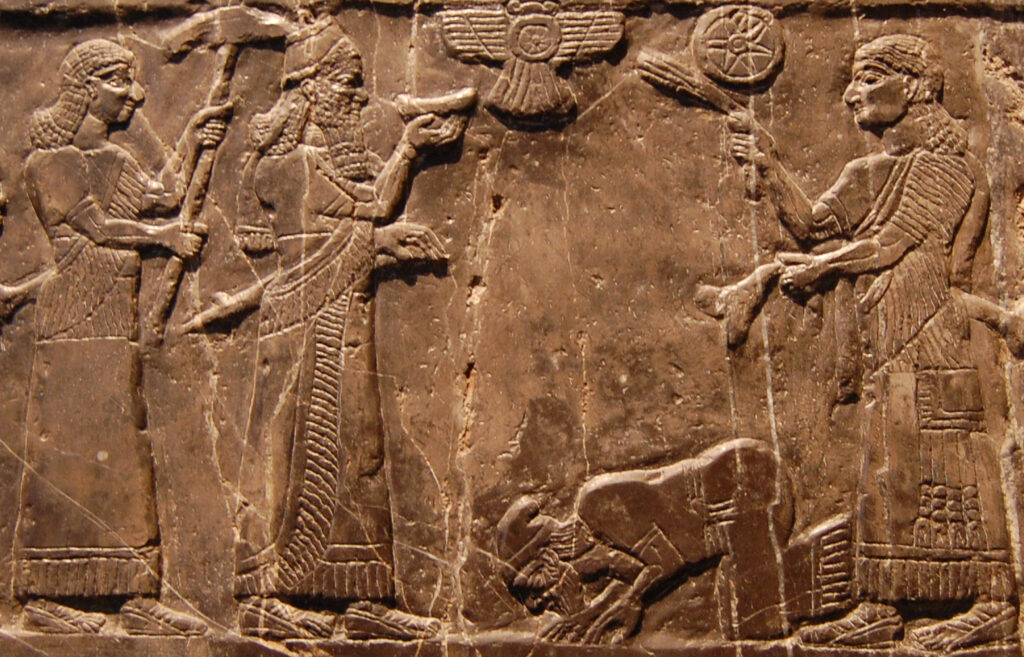
King Jehu of Israel bows before king Shalmaneser III of Assyria, Black Obelisk, British Museum. GFDL, CC BY-SA 3.0 https://creativecommons.org/licenses/by-sa/3.0, via Wikimedia Commons

Long before Assyria annexed vast stretches of the Near East, its kings shaped the region through contracts. A network of oath-bound rulers formed the backbone of Assyria’s early imperial power. What later became one of history’s most formidable territorial empires began, surprisingly, as a diplomatic one, held together by agreements rather than governors.

In the ninth century BCE, Assyrian expansion moved outward from the Tigris Valley not through the wholesale takeover of foreign lands, but through a web of treaties. When an Assyrian king campaigned beyond his borders, he often chose not to dismantle local governments, but to bind their rulers through a sacred agreement. The local king would remain on his throne, keep his palace officials, and preserve internal autonomy. The state continued to function under its own laws and traditions.

What changed was its foreign policy. The ruler now recognized the Assyrian king as his superior and aligned himself with Assyria’s interests. The result was a form of imperial influence built not on direct rule but on managed sovereignty: kings ruled their own kingdoms, but in matters of diplomacy and war they were tethered to Assyria. The effect was a hegemonic order that allowed Assyria to expand its influence quickly and with remarkable efficiency.

Continue reading “Assyria, an empire of oaths”

Cyaxares, destroyer of Assyria

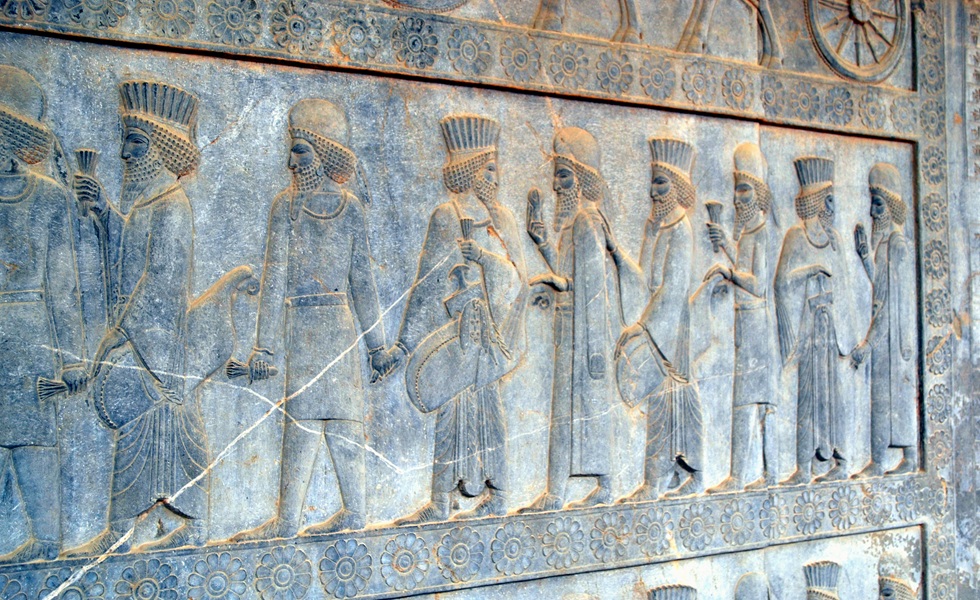
Medes and Persians at the eastern stairs of the Apadana in Persepolis. Photo credits: Michiel Bontenbal

For the last few weeks I’ve been writing extensively about the Assyrian Empire: the first state to dominate the entire Near East, the military colossus whose armies once conquered all lands between Egypt and Iran. We know its kings, its campaigns, its bureaucracy, and its monumental architecture. The stones of Nineveh and Nimrud still bear their names. And yet the man who destroyed Assyria — the one who besieged Assur, helped pull down Nineveh, and ended three centuries of imperial rule — remains almost invisible in the historical record. His name was Cyaxares.

Continue reading “Cyaxares, destroyer of Assyria”

Psamtik I of Egypt: from protégé to would-be savior

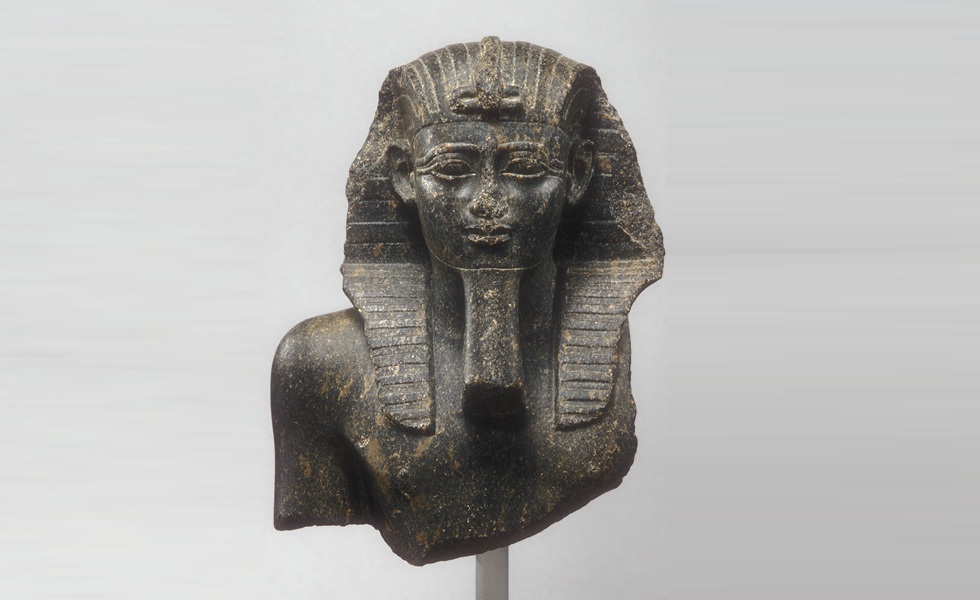
Bust from statue of a 26th dynasty pharaoh (probably Psamtik I), Metropolitan Museum of Art.

When Psamtik I became ruler of Sais around 664 BCE, Egypt was a shadow of its former self. For half a century it had been ruled by the 25th Dynasty, kings from Kush who had briefly restored Egypt’s unity and power under rulers like Piye and Taharqa. Their expansion into the Levant, however, brought them into conflict with the rising empire of Assyria: a contest Egypt would ultimately lose.

Between 671 and 667 BCE, the Assyrian kings Esarhaddon and Ashurbanipal invaded Egypt, captured Memphis, and forced Taharqa to retreat south. After their victory, the Assyrians withdrew most of their forces but left behind a network of loyal local princes to govern in their name. Among them was Necho I of Sais, the father of Psamtik.

Continue reading “Psamtik I of Egypt: from protégé to would-be savior”

The Yaz culture: cradle of Iranian civilization

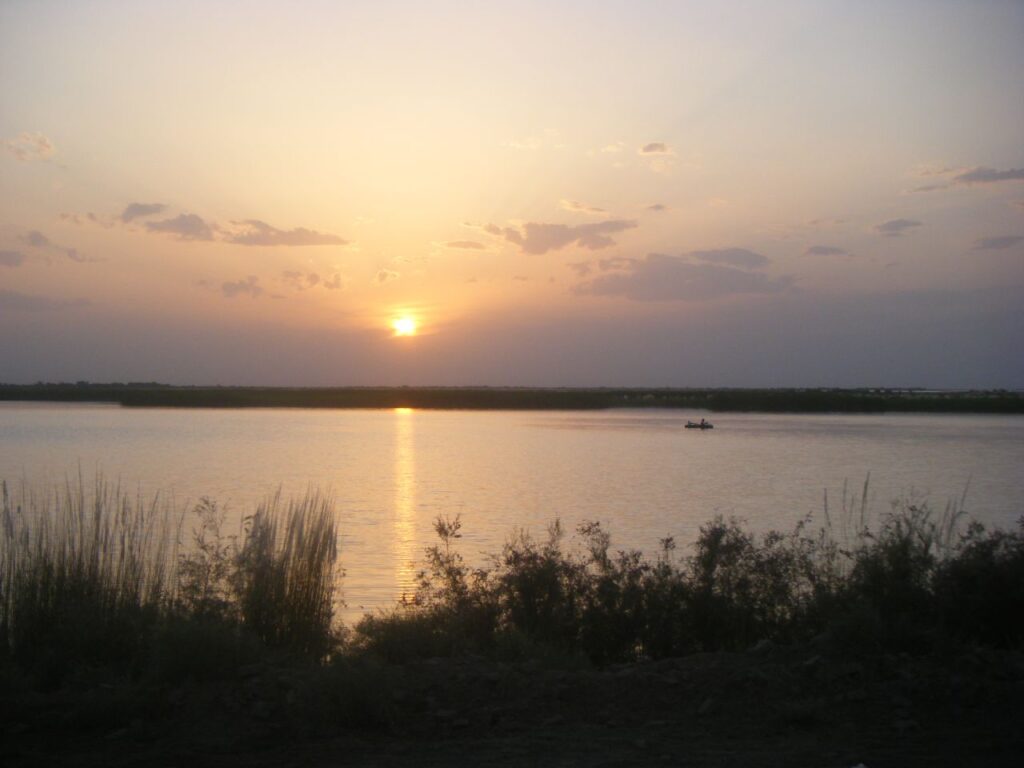
Amu Darya (Oxus) river in Turkemenistan
joepyrek, CC BY-SA 2.0 https://creativecommons.org/licenses/by-sa/2.0, via Wikimedia Commons

Ancient Persia usually evokes images of the monumental palaces at Persepolis, the conquests of Cyrus the Great, and the legendary wars with Greece. The Achaemenid Empire is remembered as the world’s first superpower, a realm that stretched from Anatolia to India, commanding the cities along the Euphrates and the Tigris and the rich floodplains of the Nile.

It is mostly the western half of this empire that has captured the imagination of classical history. Yet beyond that well-lit world lay another half: vaster and far less known. At the eastern edge of the Iranian Plateau stretched an immense frontier where the empire bordered the steppes of Central Asia. Here lay the satrapies of Bactria, Margiana, and Sogdia: names that sound almost mythical today. To the Greeks they were remote and strange. To the Persians they were indispensable, though their voices barely echo in the surviving records.

The farther east we look, the closer we come to the origins of Iranian civilization. Long before Cyrus and Darius raised their palaces in the west, these frontier lands had already nurtured a vibrant civilization. One that may have forged the cultural and spiritual foundations of Iran itself. Archaeologists call it the Yaz culture.

Continue reading “The Yaz culture: cradle of Iranian civilization”